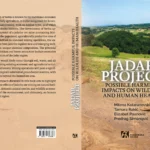

Only €2.6 per Citizen Annually from Lithium Mining in Serbia: Economic Analysis of the “Jadar” Project
Authors: Zoran Drakulić, Dr. Boško Mijatović, Dr. Danica Popović, Dr. Dejan Šoškić
Economic experts Zoran Drakulić, Dr. Boško Mijatović, Dr. Danica Popović, and Dr. Dejan Šoškić have conducted a detailed economic analysis of the “Jadar” project. Their findings indicate that this Rio Tinto project is economically disadvantageous for Serbia and carries significant environmental risks.
Minimal revenue for Serbia: The Republic of Serbia would earn only €17.4 million annually, which translates to just €2.6 per citizen per year.
Infrastructure costs borne by taxpayers: The cost of building essential infrastructure—roads, railways, water supply, gas pipelines, and the electrical grid—would be covered by Serbian taxpayers, amounting to hundreds of millions of euros. Meanwhile, Rio Tinto would extract lithium while Serbia pays for the infrastructure.
Serbia has no ownership stake: Rio Tinto would fully control lithium exploitation, leaving Serbia without any ownership in the mine, which contradicts standard practices in many other countries where Rio Tinto operates. Even if Serbia were to secure a 20% ownership stake, its total annual revenue would still be negligible—€27 million, or just €4.1 per citizen per year.
Citizens bear the long-term environmental and financial consequences: In the event of an environmental disaster (e.g., floods or tailings spills), Serbian citizens would bear the full cost of remediation, while Rio Tinto and foreign entities would be exempt from liability.
This analysis is based on Rio Tinto’s own economic impact assessment of the Jadar Project. The full analysis in Serbian is available here.